Everything about commercial passenger transport (BPT) in Switzerland – taxi, Uber, ride services and codes 121 and 122 simply explained.
Professional passenger transport (BPT) is required when you transport people for payment.
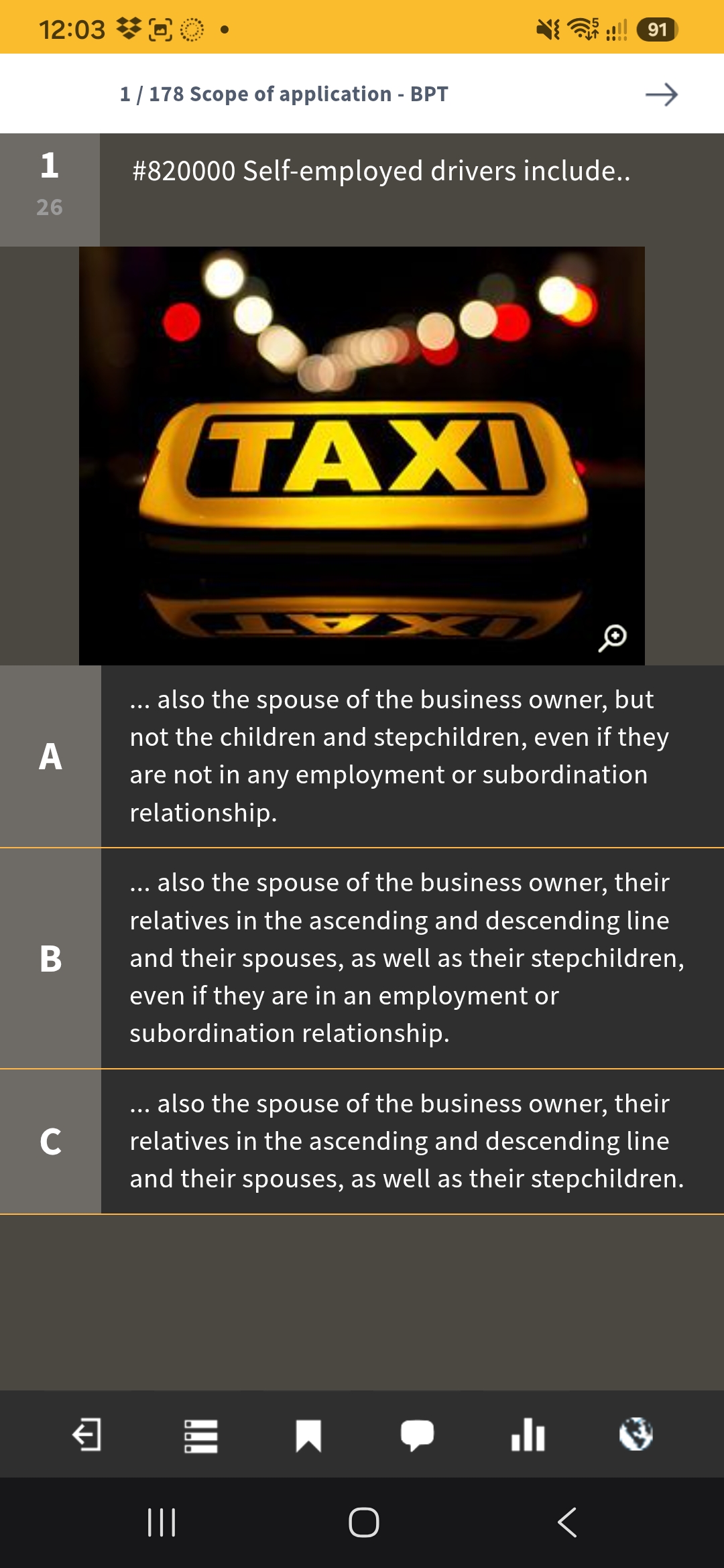
👉 This includes in particular taxi, Uber, limousine service and commercial ride services.
Would you like to start right away or learn more about e.driver?
🚖 What is commercial passenger transport (BPT)?
BPT is an additional authorisation to the driving licence that you need when you transport people commercially.
What matters is not the vehicle category, but whether you are paid for the transport.
💡 BPT is entered in the driving licence with a corresponding code.
👤 When do you need BPT?
You need BPT in typical situations such as:
- driving a taxi
- Uber or similar ride services
- limousine service
- commercial shuttle services
👉 As soon as you transport people for payment, BPT is generally required.
🔢 Codes 121 and 122 in the driving licence
Professional passenger transport is entered in the driving licence with different codes.
Code 121 – Professional passenger transport (taxi / Uber)
Code 121 is the full authorisation for commercial passenger transport.
- taxi and Uber
- limousine service
- commercial ride services
👉 This code allows flexible use in passenger transport.
💡 Important: the number of people is not determined by the BPT, but by your driving licence category:
- category B: up to 8 people
- category D1: up to 16 people
- category D: more than 16 people
👉 A theory and a practical exam are required for code 121.
Code 122 – Limited passenger transport
Code 122 is a limited authorisation for special types of transport.
- school transport
- transport of people with disabilities
- patient and ambulance transport
- worker transport
👉 This authorisation is limited to category B vehicles (up to 3.5 t and a maximum of 8 people).
👉 It does not replace a classic taxi licence and is only valid for certain uses.
💡 In most cases (taxi, Uber, etc.) you need code 121.
🧠 What do you learn for the BPT exam?
The BPT exam focuses primarily on the legal regulations for commercial passenger transport, in particular on the Working and Rest Hours Ordinance (ARV 2).
- working and rest periods (ARV 2)
- driving times and break rules
- operating regulations in passenger transport
- responsibility as a driver in commercial use
- application of the regulations in everyday professional life
👉 The focus is on understanding the legal rules and applying them correctly in practice.
💡 The BPT exam differs significantly from other exams because it is strongly focused on legal regulations.
⚖️ Difference to category D
BPT differs clearly from category D:
- BPT: commercial passenger transport (e.g. taxi, ride service)
- D: driving buses in scheduled or coach services
👉 With BPT, the commercial use is the focus, regardless of vehicle size.
✅ How e.driver supports you
With e.driver Professional you prepare specifically for the BPT exam:
- structured learning path
- easy-to-understand content on ARV 2
- practical examples and questions
- learn on the app and web app
❓ Frequently asked questions about BPT
What is the difference between code 121 and 122?
Code 121 allows commercial passenger transport (e.g. taxi or Uber). Code 122 is limited to special transport and does not replace a taxi licence.
Do I need BPT for Uber?
Yes, you generally need code 121.
Is category B enough to drive a taxi?
No, in addition to the driving licence you need BPT (code 121).
What is mainly tested?
Above all the working and rest hours regulations (ARV 2) and their application.
Is the BPT exam difficult?
It is practice-oriented and quite manageable with targeted preparation.
🎯 Your next step
Start now with your preparation for commercial passenger transport.
Discover e.driver Try for free